Fumigation is a specialised pest control method used to control pests in stored commodities, containers and other enclosed environments. As fumigants are highly toxic, fumigation must be carried out by trained and licensed professionals under strict safety procedures and applicable local regulations.
Our experienced fumigation team is accredited under the Malaysia Fumigation Accreditation Scheme (MAFAS) and follows established procedures to ensure the treatment is carried out safely and effectively.
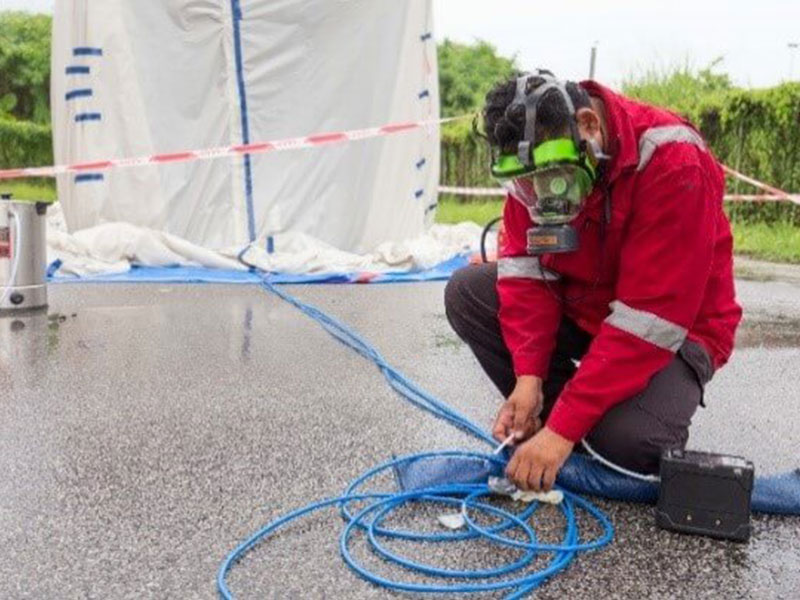
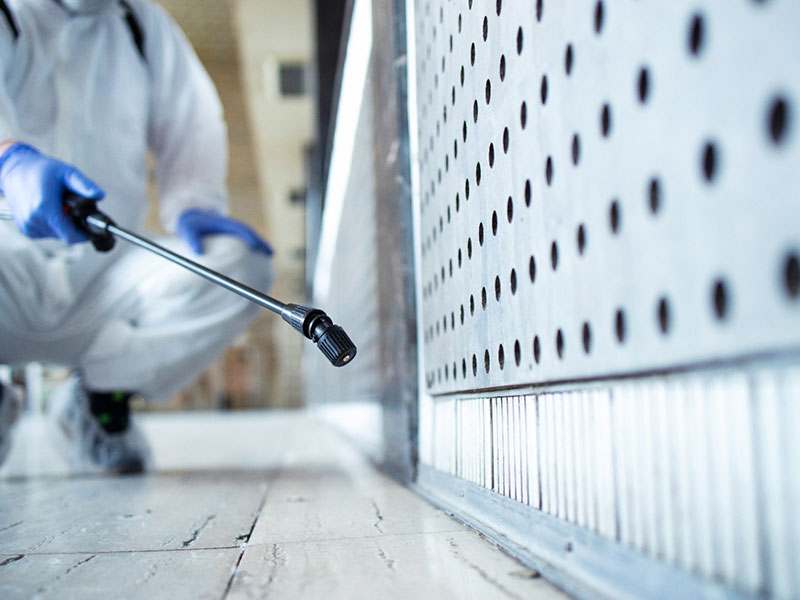
Unlike surface treatments such as spraying, fumigation uses a gaseous fumigant that can penetrate deep into stored commodities, packaging, structural voids and other spaces that are difficult to reach through conventional methods. This makes it particularly effective for eliminating pests at all life stages, including eggs and larvae hidden within grains, cartons or enclosed structures where surface-level treatments may not reach.
Fumigation is typically recommended when an infestation is widespread, deeply embedded within stored goods, or when regulatory requirements call for a certified treatment such as pre-export, pre-shipment or quarantine purposes.
Fumigation addresses an existing infestation, but long-term pest control also depends on the conditions within a facility. The following measures can help reduce the risk of reinfestation after treatment
Rotating stock on a first-in, first-out (FIFO) basis helps prevent older stored commodities from sitting long enough to attract or sustain pest activity. Storing goods off the floor and away from walls also makes inspection easier and reduces hiding spaces.
Stored product insects are often drawn to warm, humid conditions. Maintaining proper ventilation and controlling humidity within storage areas can make the environment less favourable for pest development.
Damaged packaging is a common entry point for pests. Inspecting incoming deliveries for signs of damage, and using sealed, pest-resistant containers where possible, can reduce the risk of introducing an infestation through raw materials.
Sealing cracks, gaps and other structural openings helps limit access points for pests. Regular cleaning of storage areas, including removal of spilled product and debris, also reduces available food sources.
Scheduled inspections particularly for high-risk commodities such as grains, flour and cereals can help detect early signs of activity before a full infestation develops. Monitoring traps or periodic checks allow issues to be identified and addressed early, reducing the likelihood of needing a full fumigation treatment again.
Training staff to recognise early signs of pest activity such as damaged packaging, unusual odours or small insects around storage areas allows issues to be reported and addressed before they escalate.
We provide fumigation solutions for a range of commercial and industrial applications




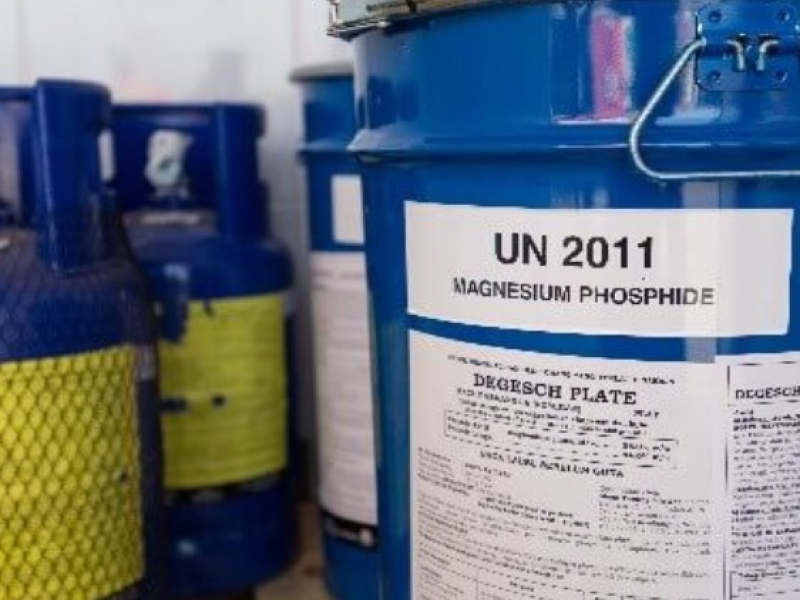
Commonly used to control stored product insects in commodities such as grains, cereals, flour and other stored products.
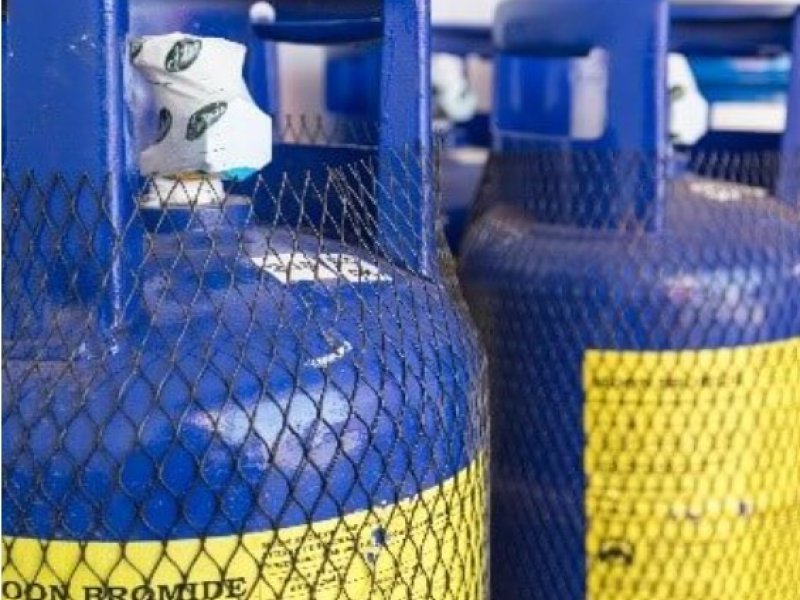
Used for specific fumigation applications where permitted and in accordance with applicable regulations.

Commonly used to control stored product insects in commodities such as grains, cereals, flour and other stored products.

Used for specific fumigation applications where permitted and in accordance with applicable regulations.
01
The treatment area and target commodities are assessed before fumigation.
The designated area is properly sealed before the fumigant is introduced to achieve effective gas concentration and coverage.
02
Gas levels and treatment conditions are monitored throughout the fumigation process to ensure compliance with established safety procedures.
03
Following treatment, the area is properly ventilated and checked before it is declared safe for re-entry.
04

Our commercial disinfection service is designed to help reduce bacteria, germs and other microorganisms across commercial and indoor environments. Using Nano Colloidal Silver-Airmist (NCSA) solution with ULV cold misting technology, our trained technicians provide targeted treatment for designated areas and surfaces.
01
Identify areas requiring treatment and prepare the premises according to the required SOP.
Apply the NCSA solution using ULV misting equipment for effective coverage of designated areas.
02
Conduct pre- and post-treatment testing where required to support quality control.
03
Treatment is carried out by trained technicians equipped with appropriate PPE, with service records provided upon completion.
04
01
The treatment area and target commodities are assessed before fumigation.
The designated area is properly sealed before the fumigant is introduced to achieve effective gas concentration and coverage.
02
Gas levels and treatment conditions are monitored throughout the fumigation process to ensure compliance with established safety procedures.
03
Following treatment, the area is properly ventilated and checked before it is declared safe for re-entry.
04
Concerned about termite activity? Contact Pest React for a professional inspection.
Fumigation is primarily used to control Stored Product Insects (SPIs) pests that infest grains, cereals, flour and other dry goods. Common species found in Malaysian warehouses and food storage facilities include the rice weevil (Sitophilus oryzae), red flour beetle (Tribolium castaneum), saw-toothed grain beetle (Oryzaephilus surinamensis) and tropical warehouse moth (Cadra cautella).
These pests typically enter premises through contaminated raw materials, packaging materials, or existing infestations within storage structures. Once established, they can develop through egg, larva, pupa and adult stages within the stored product itself often undetected until packaging damage, webbing or live insects become visible. Because eggs and larvae can be present deep within stored goods, fumigation is used to address all life stages in a single treatment, which surface spraying alone may not achieve.
Food manufacturing facilities are particularly susceptible to stored product insect infestations due to the presence of raw ingredients such as grains, flour and nuts. Regular fumigation, combined with proper inspection and monitoring, supports compliance with food safety requirements and helps reduce the risk of contamination that could affect product quality, certification audits or export requirements.
Used for specific fumigation applications were permitted and in accordance with applicable regulations. As methyl bromide is an ozone-depleting substance regulated under the Montreal Protocol, its use in Malaysia is strictly controlled and typically limited to applications such as quarantine and pre-shipment (QPS) treatment, including export fumigation carried out under the Malaysian Fumigation Accreditation Scheme (MAFAS).