Post-construction termite treatment is carried out on completed or existing buildings where termite activity has already been detected, or where additional termite protection is required. Unlike pre-construction treatment, the building structure and floor surfaces are already in place, so treatment needs to be carefully planned around the existing layout and accessible areas.
In Malaysia, post-construction termite treatment is guided by the same national standard that governs pre-construction treatment MS 1849:2005, the code of practice for the prevention, detection and treatment of subterranean termite infestation in buildings. This standard outline recommended methods for treating existing structures, including soil treatment and the use of termiticides around affected areas.
Subterranean termites commonly live and forage in soil and may enter a building through concealed routes around foundations, floor slabs, wall junctions and service penetrations. Because many of these areas are no longer directly accessible after construction, targeted treatment methods such as drilling can be used to reach the surrounding soil and potential termite entry points without requiring major structural work.
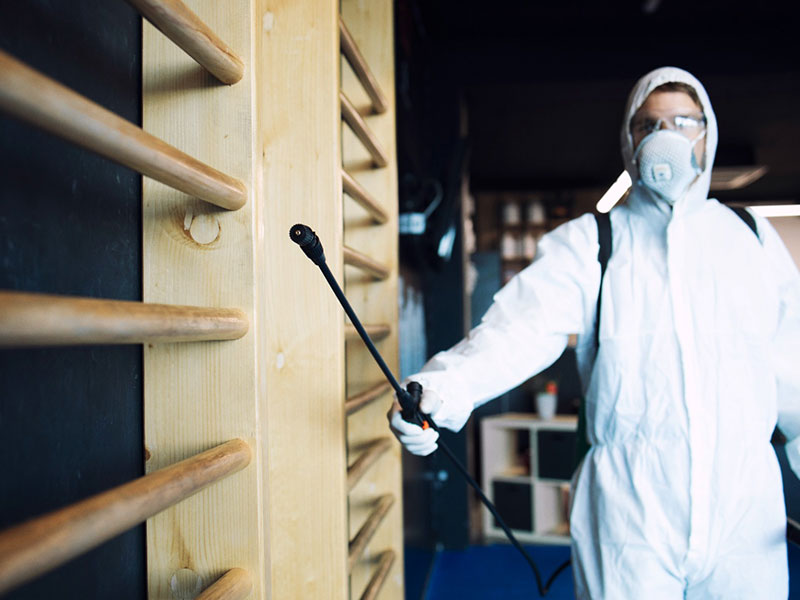
Our post-construction treatment uses targeted drilling to access the soil beneath or around the existing structure. Because the floor slab and other structural elements are already in place, drilling allows treatment to reach areas that would otherwise be sealed off delivering termiticide directly into the soil layer where subterranean termites travel, without the need to break up or remove flooring.
Treatment points are selected based on the building design, site conditions and signs of termite activity. Where drilling is not suitable or practical for certain areas, alternative methods such as termite baiting systems placed around the building perimeter may be used as a complementary approach, depending on the site assessment.
The application method and treatment areas are determined through a site assessment, taking into account the floor layout, accessibility and potential termite entry points.
Many property owners are unaware of termite activity until visible damage has already occurred, as subterranean termites tend to work hidden within walls, floors and other concealed areas. Common signs worth checking for include:
If any of these signs are present, a professional inspection can help confirm the extent of activity and determine the appropriate treatment approach.
Termite treatment reduces activity in treated areas, but subterranean termite colonies can be extensive and may continue foraging in untreated parts of a property. Periodic monitoring through visual inspection or monitoring stations helps confirm that treatment remains effective over time and allows early detection if termites attempt to re-establish activity elsewhere on the property.

We assess the property for visible termite signs, activity and potential entry points.

The affected areas and possible termite pathways are identified based on the building structure and site conditions.

Appropriate treatment is carried out at selected locations, including drilling and soil treatment where required.

The treated areas and termite activity can be monitored to determine whether further attention or follow-up treatment is required.
Built-in protection for homes, workplaces, and industrial sites.

Houses, apartments, condominiums and other new residential projects.

Offices, hotels, retail properties and other commercial buildings.

Factories, warehouses, manufacturing facilities and other new industrial premises.

Every existing building has a different construction layout and termite risk. The appropriate treatment method depends on the level of activity, building structure, accessibility and site conditions.
Our team can inspect the property, identify potential termite activity and recommend a suitable post-construction treatment approach.
Everything you need to know about our pest control services, from treatment to safety and pricing.
It is termite control treatment carried out on completed or existing buildings, typically where termite activity has been detected or where additional protection is needed. It differs from pre-construction treatment because the structure is already built, so treatment methods need to work around existing floors and walls.
Small holes are drilled at selected points usually along affected floor areas or around the building perimeter to allow termiticide to be applied directly into the soil beneath or around the structure, reaching areas that are no longer accessible after construction.
Drilling involves small, targeted holes at specific points, which are typically sealed after treatment. The exact approach depends on the flooring material and is planned during the site assessment to minimise disruption.
Signs such as mud tubes, discarded wings, hollow-sounding timber or sagging floors may indicate termite activity. A professional inspection can confirm whether treatment is needed and identify the extent of activity.
Treatment targets the identified activity and entry points, but subterranean termite colonies can be large and may be active elsewhere on a property. Ongoing monitoring is generally recommended to check that treated areas remain protected and to catch any new activity early.
Yes. Post-construction termite treatment practices in Malaysia are guided by MS 1849:2005, the same national code of practice that governs pre-construction termite treatment
Concerned about termite activity? Contact Pest React for a professional inspection.