General pest control covers the identification, management and prevention of common pests found in residential and commercial premises including cockroaches, ants, mosquitoes, flies, lizards, bagworms, spiders, millipedes, centipedes and silverfish. While each pest has different behaviours and risks, many share common patterns in how they enter a property, where they tend to be found, and the conditions that allow their populations to grow.
Understanding these patterns can help property owners recognize early signs of activity and take preventive steps before a minor issue develops into a larger infestation.
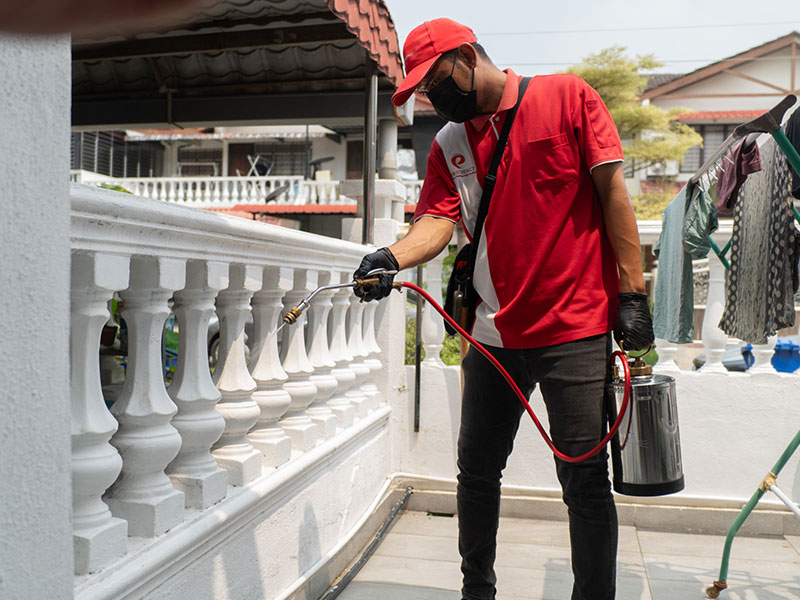
Most common household and commercial pests develop through one of two general life cycle patterns:
Pests such as cockroaches, bed bugs and silverfish hatch from eggs as nymphs smaller versions of the adult and gradually develop into their adult form without a distinct pupal stage. This means nymphs are often already active and capable of causing nuisance or damage well before reaching adulthood.
Pests such as flies, mosquitoes and bagworm moths go through a larval stage that looks entirely different from the adult form, followed by a pupal stage before emerging as an adult. This is significant because the larval stage is often where the most damage or risk occurs (for example, fly larvae in waste or bagworm larvae feeding on vegetation), and treatment may need to target multiple life stages to be effective.
Understanding which stage of a pest’s life cycle is active can help determine the most appropriate treatment approach which is why professional inspection typically looks beyond just the visible adult pests.
While each pest type has its own specific behaviour, common entry points and contributing conditions include:
Because these conditions often exist in multiple areas of a property at once, pest activity is rarely limited to a single type which is why general pest control typically takes a broader, premises-wide approach rather than addressing one pest in isolation.
While professional treatment addresses existing activity, the following practices can help reduce the risk of pests establishing in the first place:
01
Seal visible gaps, cracks and openings around doors, windows and utility entry points
02
Fix leaking pipes and address sources of excess moisture promptly
03
Store food in sealed containers and clear food waste regularly
04
Keep storage areas organized and inspect boxes or clutter periodically
05
Trim vegetation away from building exteriors and remove standing water where possible
06
Schedule regular inspections, particularly for commercial premises where early detection is important

From inspection to targeted treatment, our pest management solutions are tailored to the specific pest and site conditions of your property. Learn more about our dedicated solutions for Cockroach Control, Ant Control, Mosquito Control, Flies Control, Lizard Control, Bagworm Control, Spider Control, Millipede & Centipede Control and Silverfish Control or get in touch with our team for a professional site assessment.
Everything you need to know about common pests, prevention methods, treatment options and effective pest management.
General pest control refers to the inspection, treatment and prevention of common pests such as cockroaches, ants, mosquitoes, flies, lizards, bagworms, spiders, millipedes, centipedes and silverfish within residential and commercial premises, using methods suited to each pest type and site condition.
Any property owner or business managing a space where pests could affect hygiene, comfort, structural condition or compliance requirements including homes, offices, F&B outlets, retail premises, warehouses and industrial facilities may benefit from regular pest control.
Pest control is typically most effective when carried out on a regular, scheduled basis rather than only after an infestation becomes visible, as early intervention helps prevent pest populations from establishing further. Certain seasons such as periods of higher rainfall can also increase activity for pests like mosquitoes, ants and termites, making timely inspection particularly useful.
Common areas include kitchens and pantries, storage rooms, bathrooms, service areas around pipes and drains, outdoor and landscaped areas, and concealed spaces such as wall voids, ceilings and subfloors many of which are not part of regular daily inspection.
Treatment typically begins with inspection to identify the pest type, extent of activity and contributing conditions, followed by a treatment approach suited to the specific pest and site which may include spraying, baiting, misting or monitoring, depending on the situation.
From inspection to targeted treatment, our pest management solutions are tailored to the specific pest and site conditions of your property. Learn more about our dedicated solutions for [Cockroach Control], [Ant Control], [Mosquito Control], [Flies Control], [Lizard Control], [Bagworm Control], [Spider Control], [Millipede & Centipede Control] and [Silverfish Control] or get in touch with our team for a professional site assessment.
Concerned about termite activity? Contact Pest React for a professional inspection.