Termites are among the most economically destructive pests affecting buildings in Malaysia, capable of causing significant structural damage before their presence is even noticed. Because termites typically operate hidden within soil, walls and timber, effective termite management relies on understanding their behaviour, recognising early signs of activity, and applying the right treatment approach at the right stage of a building’s lifecycle from pre-construction prevention to post-construction treatment of existing structures.
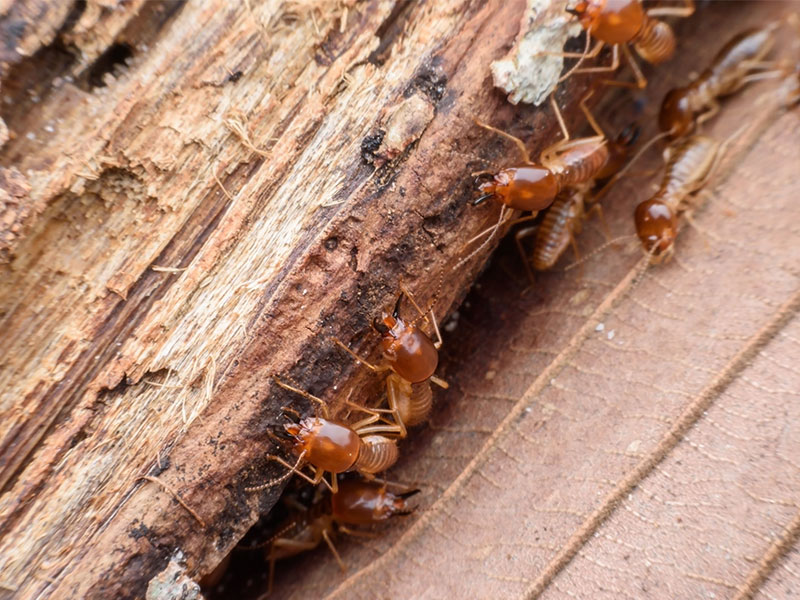
Termites are estimated to cause tens of millions of ringgit in property damage across Malaysia each year, with Coptotermes species alone responsible for the majority of reported structural damage cases. Termite treatment practices in Malaysia are guided by MS 1849:2005, the national code of practice for the prevention, detection and treatment of subterranean termite infestation, covering both pre-construction and post-construction approaches.
Given Malaysia’s tropical climate with consistent warmth and humidity year-round conditions remains generally favorable for termite activity, making ongoing awareness and periodic inspection relevant for most property types, regardless of season.
There are four general types of termites found in Malaysia, though not all pose the same level of risk to buildings:
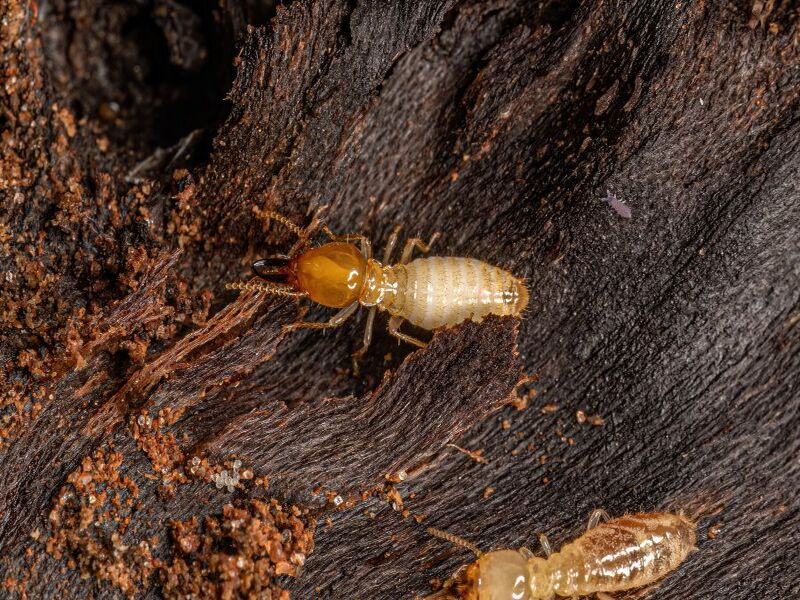
The most destructive type affecting Malaysian properties. Subterranean termites nest in the soil and build mud tubes to travel between the soil and their food source, as they are vulnerable to drying out when exposed to open air. The genus Coptotermes which includes Coptotermes gestroi (Asian subterranean termite), Coptotermes curvignathus and several related species is responsible for the vast majority of structural termite damage in the country. Globitermes sulphureus, Microtermes spp. and Macrotermes spp. are also occasionally reported affecting buildings.
Unlike subterranean termites, drywood termites (genus Cryptotermes) nest directly within the wood they feed on and do not require contact with soil, which allows them to infest furniture, timber framing and other wood sources directly.
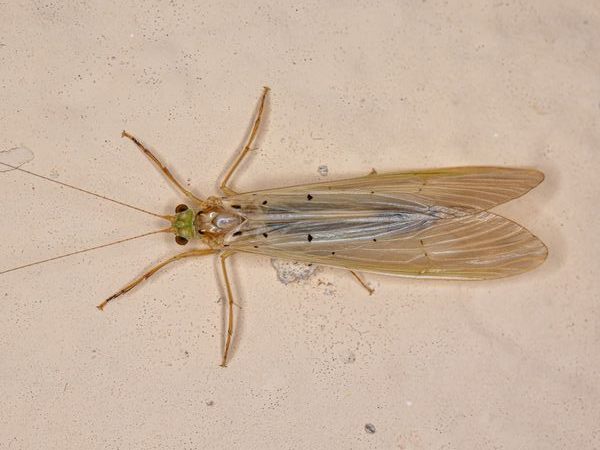
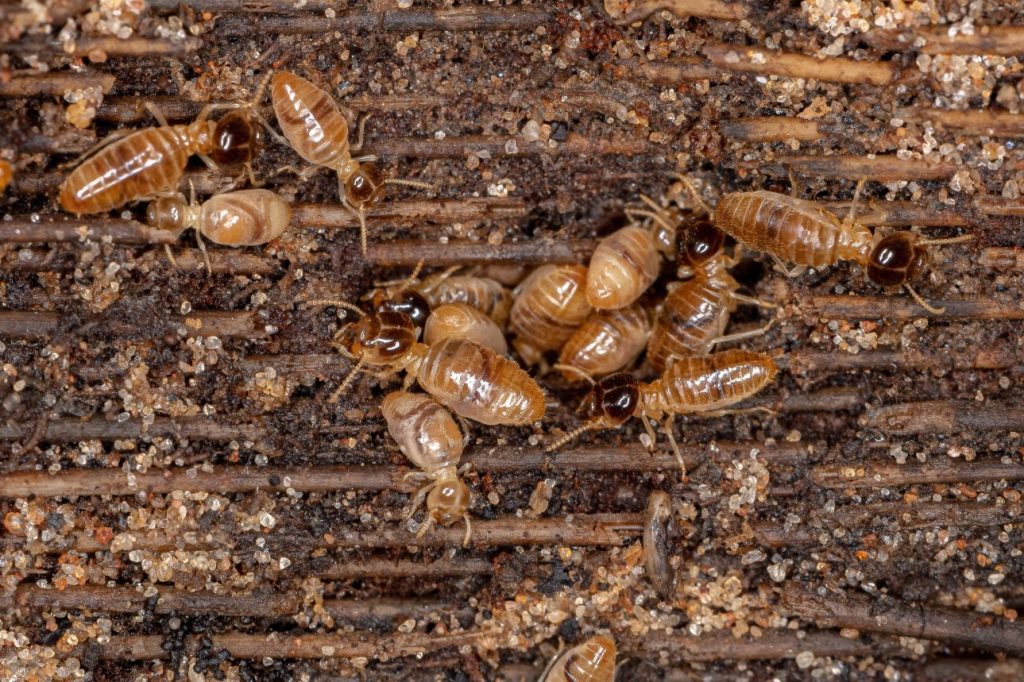
As the name suggests, dampwood termites are drawn to timber with high moisture content, and are typically associated with wood that has been affected by water damage or poor ventilation.
Identifiable by their distinctive cone-shaped head, conehead termites build wider tunnels than subterranean termites and can infest wooden beams, walls and floors.
Termite colonies are organised into castes, each with a distinct role:
Because a colony relies on this caste structure to function, treatment approaches often aim to disrupt the colony as a whole such as through baiting systems carried back by foraging workers rather than only addressing termites visible at the surface.
Subterranean termites the primary threat to Malaysian buildings typically gain access to a structure through concealed routes connected to the soil, including:
Because these entry points are often hidden behind walls, under flooring or below ground, termite activity can go undetected for extended periods which is why early inspection and the right treatment timing (pre-construction vs. post-construction) play such an important role in effective termite management.
Swarming termites are sometimes mistaken for flying ants, as both can appear in large numbers around lights or windows. A few key differences can help distinguish between them:
| Termites | Flying Ants | |
|---|---|---|
| Waist | Straight, broad waist | Narrow, pinched waist |
| Antennae | Straight | Bent/elbowed |
| Wings | Two pairs of equal length | Two pairs of unequal length |
If you’re uncertain which you’re dealing with, a professional inspection can confirm the species and whether further action is needed.
While termite prevention is most effective when built into the construction process, property owners can also reduce risk through the following measures:
01
Address moisture issues promptly, including leaking pipes, poor drainage and ventilation gaps
02
Avoid direct wood-to-soil contact around the property, including stored timber, firewood or garden structures
03
Seal visible cracks in foundations, walls and slabs where possible
04
Avoid stacking mulch, soil or debris directly against exterior walls
05
Schedule periodic inspections, particularly for older properties or those without a documented treatment history
06
For new developments, incorporate termite protection measures during the pre-construction phase, when treatment can be applied before key areas are sealed

Whether you’re planning a new development or addressing termite activity in an existing property, our team provides tailored termite management solutions. Learn more about our Termite Control overview, Pre-construction Termite Treatment for new developments, or Post-construction Termite Treatment for existing structures — or contact us for a professional site assessment.
Everything you need to know about common pests, prevention methods, treatment options and effective pest management.
Termite management covers the inspection, prevention and treatment of termite activity in buildings, including pre-construction protection for new developments and post-construction treatment for existing structures.
Any property owner or developer residential, commercial or industrial can be at risk, as termites are not limited by building type or age, provided a food source (cellulose material) and access route are present.
The most effective time is during construction, when soil treatment can be applied before the floor slab and other key areas are sealed. For existing buildings, treatment is best carried out as soon as signs of activity are identified, as earlier intervention generally limits the extent of damage.
Common areas include timber framing, flooring, skirting, door frames and other wood-based structural elements, as well as concealed spaces such as wall voids and subfloors where activity may go unnoticed.
Treatment approach depends on whether a building is still under construction or already completed. Pre-construction treatment targets the soil before key structural areas are sealed, while post-construction treatment uses methods such as targeted drilling and soil treatment to reach termite entry points in existing structures.
Concerned about termite activity? Contact Pest React for a professional inspection.