Bed bugs, cat fleas and dog ticks are among the most disruptive pests to deal with — not because they threaten a building’s structure, but because they directly affect comfort, sleep, pets and daily peace of mind. While each pest behaves differently, all three share a common trait: they’re experts at staying hidden, often going unnoticed until the problem has already grown.
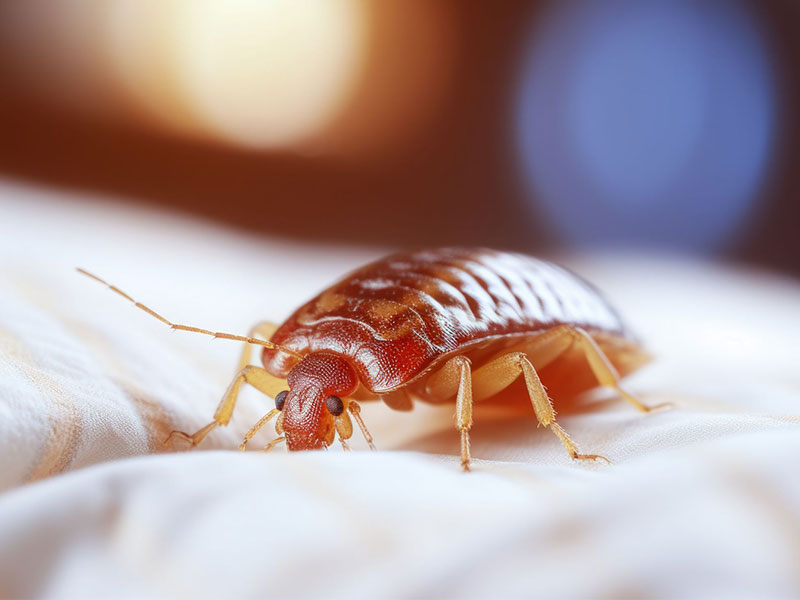
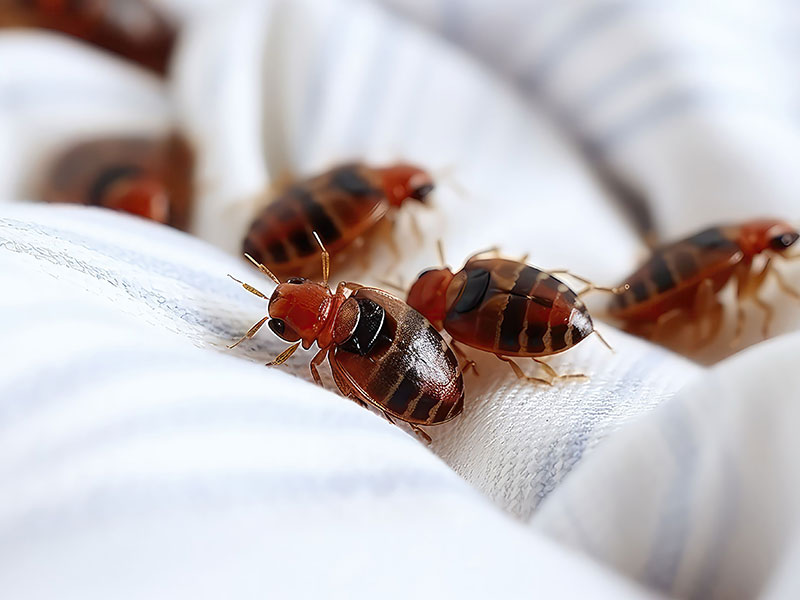
The tropical bed bug is the species most commonly found in Malaysia and the wider Southeast Asian region. Unlike fleas or ticks, bed bugs don’t live on a host — they hide in cracks, seams and crevices near where people sleep, emerging at night to feed.
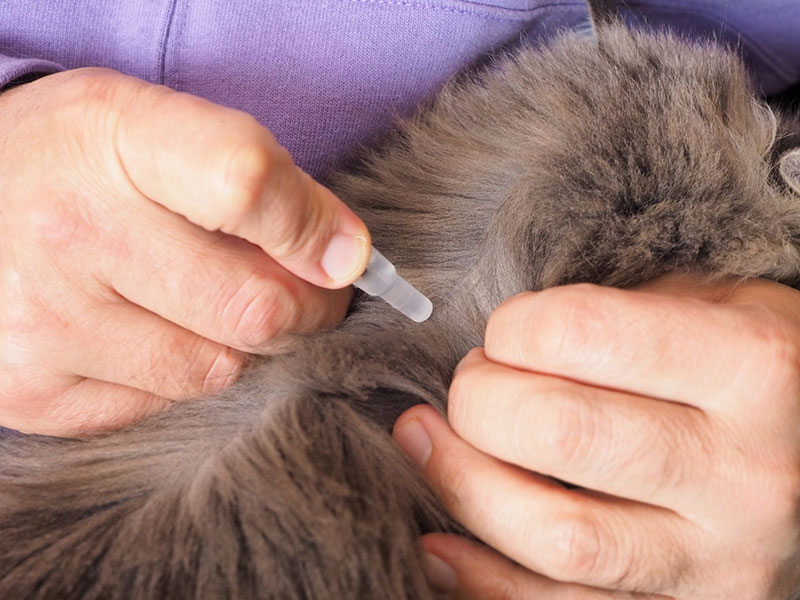
Despite the name, cat fleas are the dominant flea species affecting both cats and dogs in Malaysia, and will also bite humans when a preferred host isn’t available. They’re small, wingless, and capable of jumping significant distances relative to their body size.
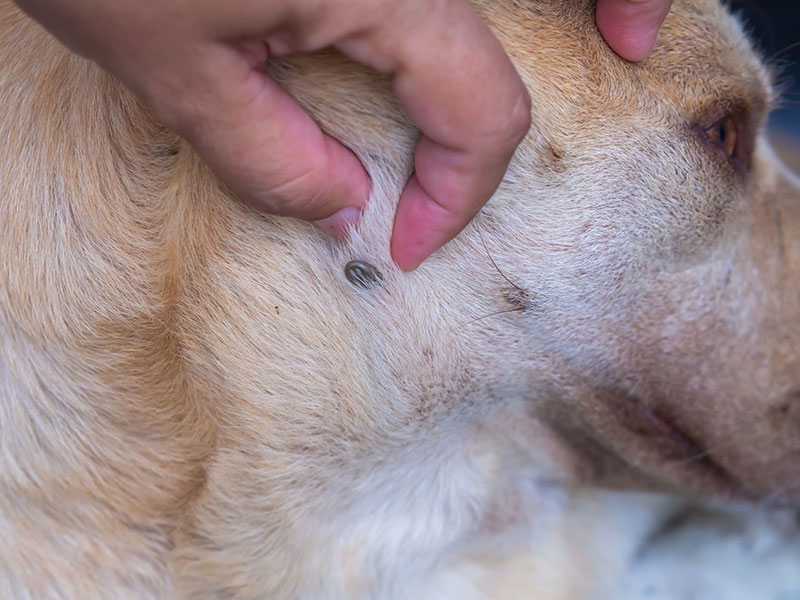
Commonly known as the brown dog tick, this species requires a blood meal at each of its three life stages (larva, nymph, adult), often changing hosts between stages. In warm, humid climates like Malaysia’s, multiple generations can develop within a single year.
Few pest problems affect daily life as directly as a bed bug infestation. Beyond the physical bites, many people experience genuine anxiety at bedtime, disrupted sleep, and a lingering sense of unease in their own home — even after visible signs are gone. This isn’t an overreaction; bed bugs are notoriously difficult to fully eliminate without professional treatment, as they hide deep in cracks and crevices that household cleaning can’t reach, and a few missed eggs are enough for the problem to return.
If you’re dealing with a suspected bed bug problem, a proper inspection is the first step to understanding the real extent of the issue — and the first step toward sleeping peacefully again.
Proactive pest control protects customers, prevents infestations and safeguards business reputation.

A single guest complaint about bed bugs can lead to negative reviews that disproportionately affect bookings, regardless of how isolated the incident was. Routine inspection between stays, particularly in mattress seams and furniture joints, helps catch activity before it spreads across multiple rooms.

Fleas and ticks can spread rapidly between animals sharing the same space, making regular treatment and environmental control (not just treating the pets themselves) essential to prevent recurring outbreaks.

Bed bugs spread easily between adjoining rooms and shared furniture, making early detection and coordinated treatment across units important to prevent reinfestation.
01
Inspect secondhand furniture, luggage and clothing after travel before bringing them indoors
02
Vacuum mattresses, carpets and soft furnishings regularly, paying attention to seams and crevices
03
Treat pets regularly for fleas and ticks, and check them after outdoor activity
04
Wash pet bedding frequently in hot water
05
For businesses, implement routine inspection schedules rather than waiting for guest or customer complaints

Don’t wait for the problem to spread. Our team provides thorough inspection and targeted treatment for bed bugs, fleas and ticks — for homes, hotels, pet-related businesses and shared accommodation. Contact us for an assessment.
Everything you need to know about common pests, prevention methods, treatment options and effective pest management.
Treatment typically includes inspection to confirm the pest and extent of activity, followed by targeted treatment such as residual spraying or ULV misting, with follow-up visits often required — particularly for bed bugs, where eggs can survive initial treatment.
Anyone can experience these pests, but frequent travellers, pet owners, and businesses such as hotels, rentals and pet care facilities face higher exposure and, in the case of businesses, greater consequences from an unresolved infestation.
As early as possible. Bed bugs and fleas both multiply quickly under warm indoor conditions, and what starts as a small, isolated issue can spread to multiple rooms or units within weeks if left untreated.
Bed bugs hide near sleeping areas — mattress seams, bed frames, skirting. Fleas settle into carpets, soft furnishings and pet resting areas. Ticks are usually found on pets or in areas pets frequent.
Through a combination of professional treatment, environmental control (vacuuming, laundering, decluttering) and, for pet owners, consistent flea/tick prevention for animals — since treating the environment alone without addressing a pet host (for fleas/ticks) can allow the problem to persist.
Concerned about termite activity? Contact Pest React for a professional inspection.