Stored Product Insects (SPIs) are among the most financially damaging pests for businesses that handle grains, cereals, flour, dried goods and other stored commodities. Because these pests often live and develop inside the product itself, infestations can go undetected until packaging is already damaged, stock needs to be discarded, or a client/auditor raises a complaint — making early detection and preventive treatment particularly important.
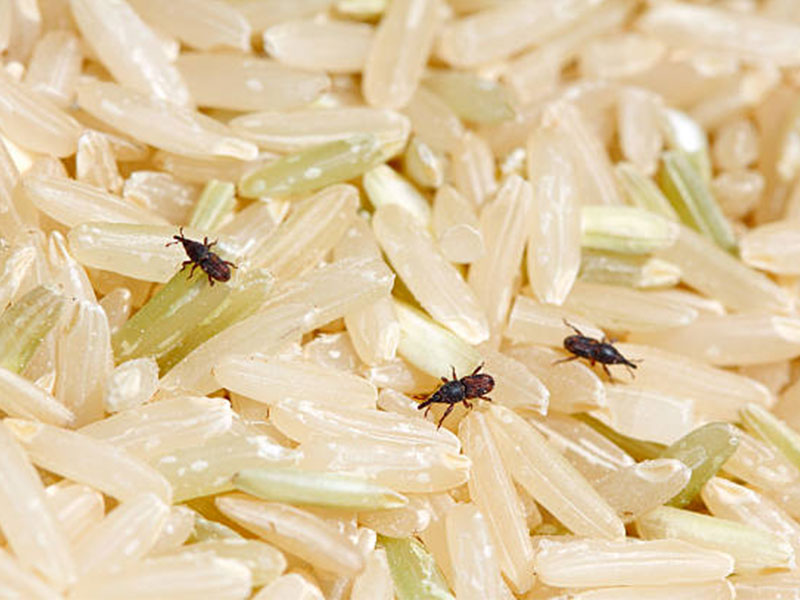
SPIs generally fall into three main groups:
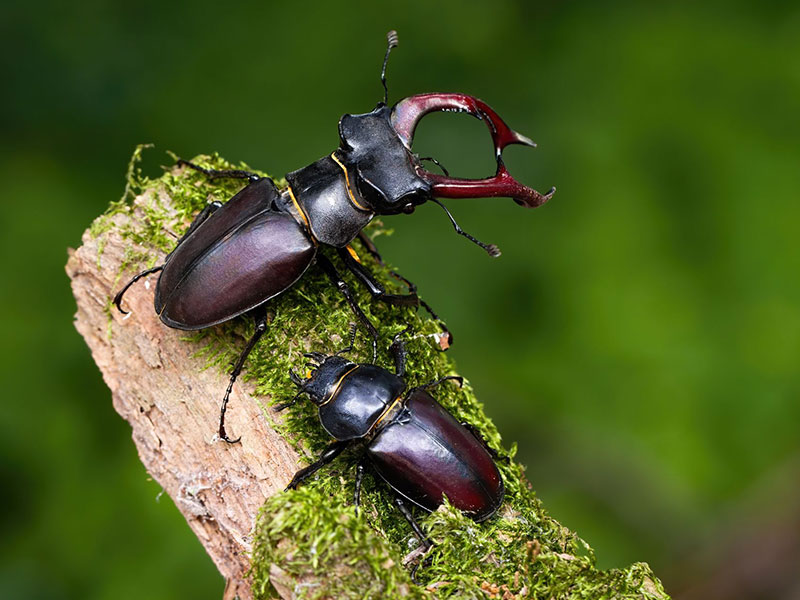
The most common type of SPI. Species such as the red flour beetle (Tribolium castaneum) and saw-toothed grain beetle (Oryzaephilus surinamensis) are frequently found in flour, cereals and processed dry goods. The red flour beetle can fly and may live for several years under suitable conditions, making established infestations particularly persistent.
True weevils, such as the rice weevil (Sitophilus oryzae), are distinguished by their elongated snout. They primarily attack whole grains, often developing inside individual grain kernels — which can make early-stage infestations difficult to detect through visual inspection alone.
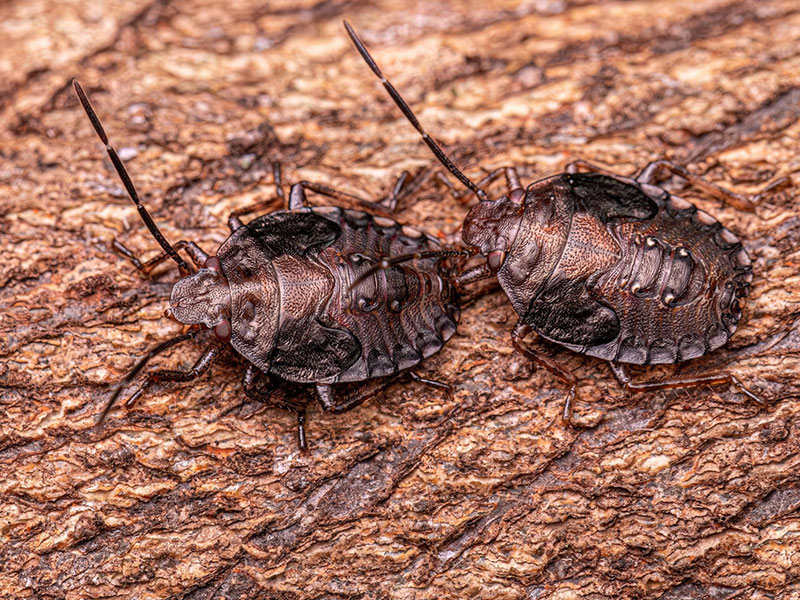
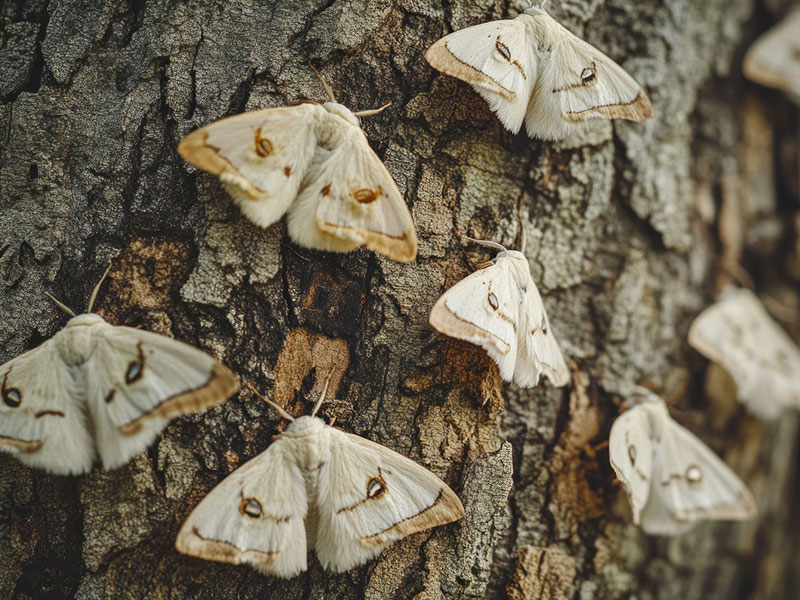
Species such as the Indian meal moth (Plodia interpunctella) and the tropical warehouse moth (Cadra cautella) are common in Malaysian food storage facilities. Moth larvae often leave behind a fine webbing on the surface of infested product — one of the more visible signs of a moth-related SPI problem.
Most SPIs develop through a complete life cycle of egg, larva, pupa and adult, typically completed within 3 to 8 weeks depending on species, temperature and humidity — conditions that are often met year-round in Malaysia’s climate. Because eggs and larvae are frequently laid and develop inside the product itself (within a grain kernel, or inside packaged flour), an infestation can be present and actively multiplying well before adult insects are visible on the surface.
By the time live insects, webbing or damaged packaging are noticed, the infestation may already be well established — which is why routine inspection, rather than visual checks alone, is important for catching activity early.
While SPIs can affect any premises that stores dry goods, certain industries face higher risk and greater consequences from infestation:
Addressing SPIs effectively requires more than a single spray — it requires identifying the source, understanding the extent of the infestation, and selecting the right treatment approach for the commodity and facility involved. Our approach typically includes:
01
Inspect incoming raw materials and stock for signs of infestation before storage
02
Store dry goods in sealed, pest-resistant containers where possible
03
Rotate stock on a first-in, first-out (FIFO) basis to avoid prolonged storage of older stock
04
Maintain clean storage areas, removing spilled product and residue regularly
05
Monitor temperature and humidity in storage areas, as warm, humid conditions accelerate SPI development
06
Schedule routine inspections, particularly for high-risk or bulk-stored commodities

Whether you manage a food manufacturing facility, warehouse, F&B outlet or storage operation, our team can help identify, treat and prevent stored product insect infestations. Contact us for a professional site assessment.
Everything you need to know about common pests, prevention methods, treatment options and effective pest management.
SPIs are insects — primarily beetles, weevils and moths — that infest stored food products such as grains, cereals, flour, nuts and other dry goods, often developing inside the product itself.
Any business storing dry goods in volume — food manufacturers, warehouses, F&B outlets, retailers, and import/export operators — can be affected, with higher-risk facilities generally requiring more frequent inspection.
Ideally as part of a routine inspection schedule, rather than only after visible signs appear — since SPIs often develop inside the product before becoming visible on the surface.
Within stored grains, flour, cereals and other dry goods, as well as in storage structures, packaging materials, and gaps around storage areas where residual insects or eggs may remain.
Treatment depends on the extent and type of infestation, ranging from targeted spraying and misting for structural areas to fumigation for infestations deeply embedded within bulk stored commodities.
Concerned about termite activity? Contact Pest React for a professional inspection.