Bee, wasp and hornet activity can become a serious concern when nests are established close to occupied areas, entrances or other high-traffic locations. Unlike many other pests, the primary risk here isn’t hygiene or property damage — it’s direct physical harm. Stings can range from mild discomfort to a serious, even medically urgent, allergic reaction, which is why nest location and treatment approach matter as much as treatment itself.
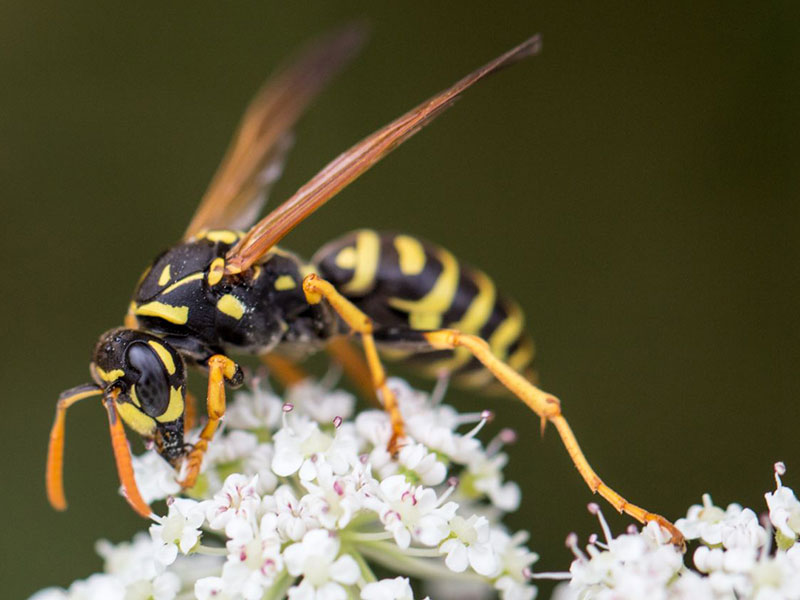
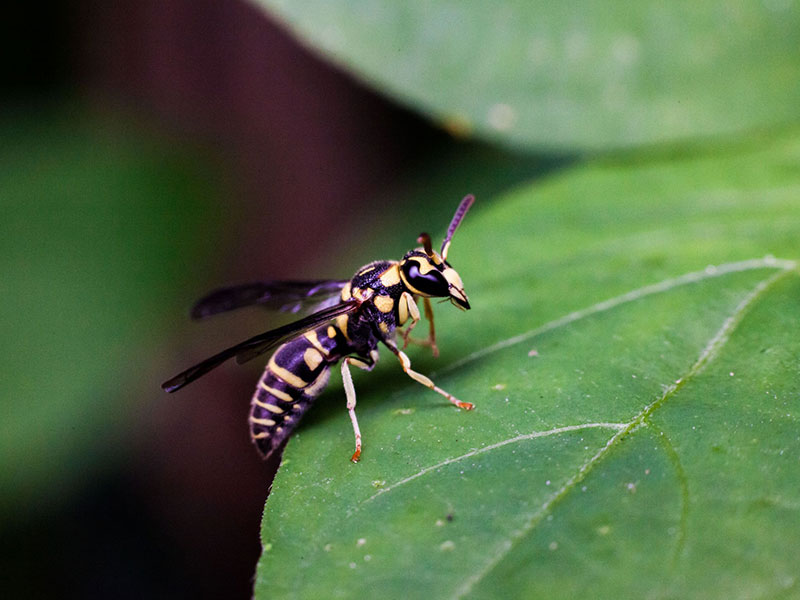
One of the most frequently encountered stinging insects in Malaysia, known for building nests in trees, shrubs, roof eaves and other sheltered locations. Like other social wasps and hornets, it can actively defend its nest when disturbed, and its sting has been linked to serious allergic reactions in sensitive individuals.
Various wasp species build paper-like nests in similar locations — under eaves, in wall cavities, or in dense vegetation. Like hornets, they become more defensive as the colony grows and the nest matures.
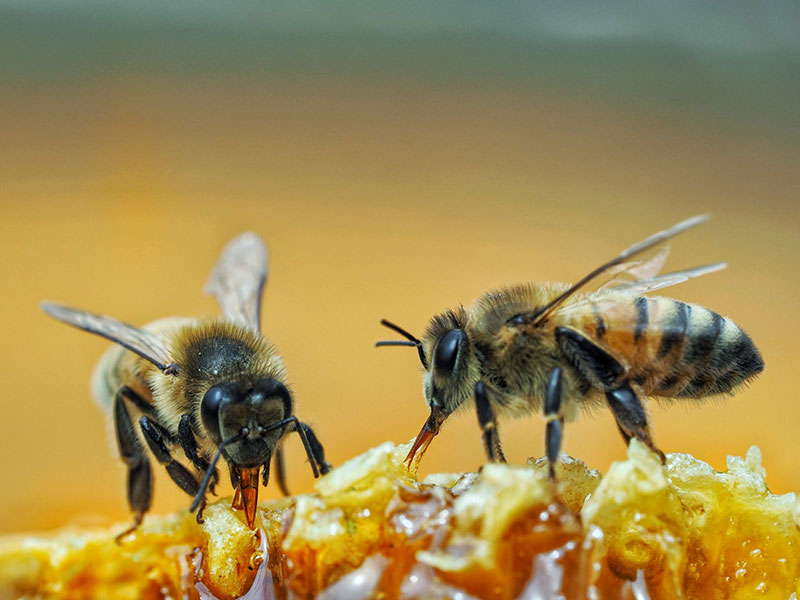
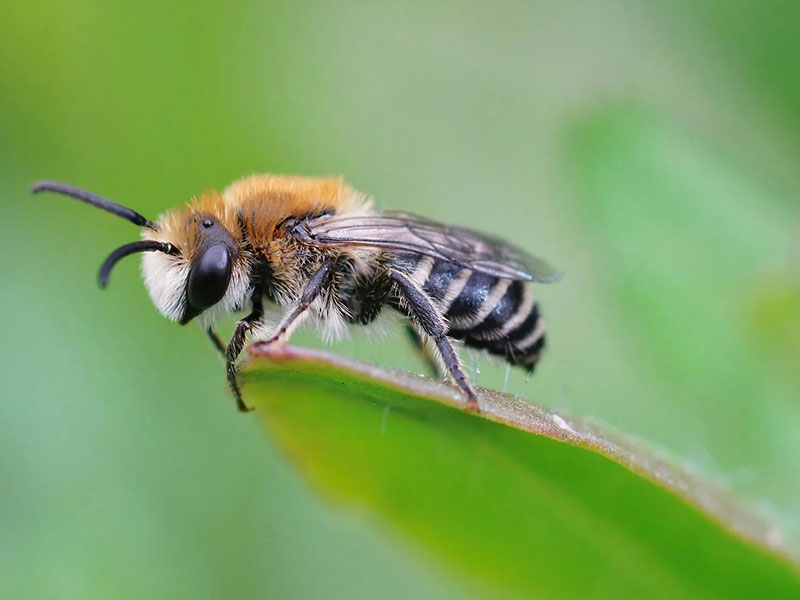
While generally less aggressive than wasps and hornets unless directly provoked, bee colonies can still establish nests in wall cavities, roof voids or other structural gaps, and removal often requires careful handling due to colony size.
Bee, wasp and hornet nests typically begin small, started by a single queen (or small founding group), and grow progressively larger over the course of a season as worker numbers increase. A newly-formed nest with a handful of insects is generally far easier and safer to address than an established colony, which may contain hundreds of individuals and become significantly more defensive as the nest matures — meaning the risk of multiple stings increases the longer a nest goes untreated.
Because many of these locations are elevated, enclosed or otherwise hard to reach, nests can go unnoticed until they’re already established — or until someone unknowingly disturbs one.
Attempting to remove a nest without proper training and protective equipment is genuinely risky — disturbing a nest can trigger a defensive swarm response, and what starts as a single sting can quickly become multiple stings if the colony is provoked. This risk is higher with hornets in particular, which are known to be more aggressive in nest defence compared to many bee species.
Professional treatment also takes into account nest location and accessibility — a nest in an open tree is handled differently from one inside a wall cavity or roof void, where the treatment approach needs to avoid driving the colony further into the structure.
01
Seal gaps in roof eaves, soffits, wall cavities and signage that could serve as nesting cavities
02
Trim vegetation and hedges regularly, particularly close to entrances and walkways
03
Inspect elevated and sheltered areas of the property periodically, especially approaching warmer, drier periods when nest-building activity tends to increase
04
If you spot a small, newly-forming nest, avoid disturbing it and contact a professional early — before the colony grows

Don’t attempt to remove it yourself. Our team can assess the nest location and species, and carry out safe, professional treatment — before the colony grows and the risk increases. Contact us for an assessment.
Everything you need to know about common pests, prevention methods, treatment options and effective pest management.
It involves identifying the nest location and species, assessing accessibility and risk, and carrying out treatment and nest removal using methods suited to the specific situation — rather than a one-size-fits-all approach.
Anyone can be affected, but properties with high foot traffic near entrances, outdoor seating, playgrounds or walkways face greater risk of accidental nest disturbance, as do individuals with known sting allergies.
As early as possible after it’s spotted. Smaller, newly-formed nests are safer and simpler to treat than established colonies, which pose a higher risk of multiple stings during removal.
Roof eaves, soffits, wall cavities, dense vegetation and signage — generally sheltered, undisturbed locations close to or within a building structure.
Treatment approach depends on nest location, accessibility and species, and is carried out by trained professionals using appropriate protective equipment — attempting removal without this increases the risk of multiple stings.
Concerned about termite activity? Contact Pest React for a professional inspection.