Bird control is a less commonly requested pest service compared to insects or rodents — but when pest bird activity becomes a problem, it tends to escalate quickly and visibly, often affecting multiple areas of a property at once. In Malaysia, feral pigeons and house crows are officially recognised as urban pest species due to the health and hygiene risks associated with their droppings, and local councils regularly carry out population control measures to manage their numbers in public areas.
Bird activity can create health and hygiene concerns for both residential and commercial properties. Bird droppings, feathers and nesting materials can contaminate surrounding areas and may carry microorganisms that pose potential health risks when people come into contact with contaminated surfaces or materials.
Bird nests can also provide shelter for secondary pests such as mites, ticks and other insects, creating additional pest management concerns. These risks are particularly important in food processing facilities, restaurants and residential properties, where maintaining clean and hygienic environments is essential.
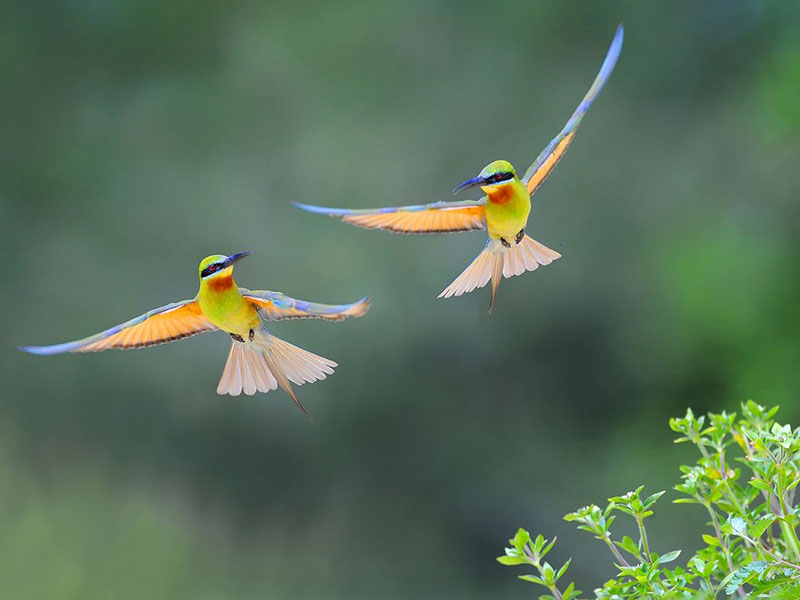
Bird nests can block gutters, while droppings may damage building materials and attract secondary pests such as mites, fleas and ticks.
Awful sight of bird droppings can discourage potential customers from staying longer at your premises.
Food contamination may lead to business closure or suspension by the public health authority.
Bird droppings may cause slippery surfaces thus leading to accidental falls.
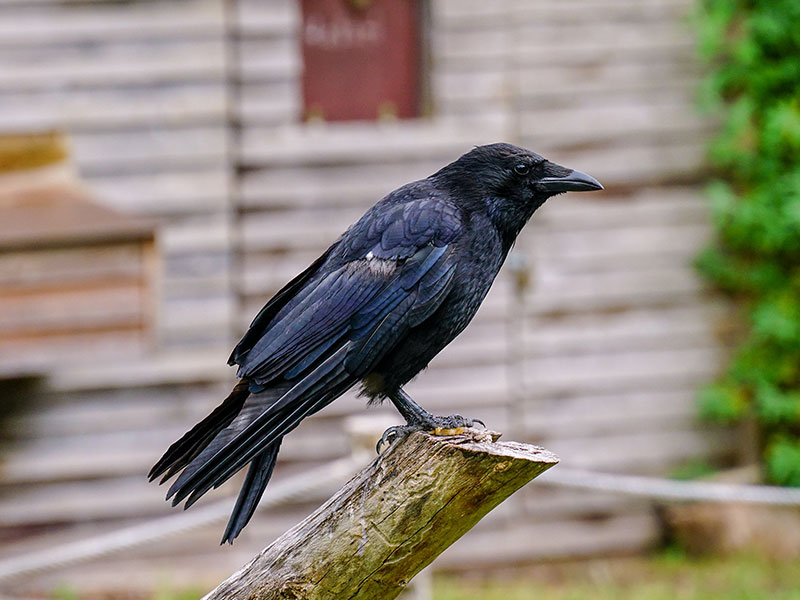
One of the most commonly reported pest birds in Malaysia, particularly in urban areas such as the Klang Valley. House crows typically build stick nests in trees — sometimes several nests in the same tree — and are known for loud, persistent calls and droppings that accumulate wherever they roost or feed. Peak breeding season in Peninsular Malaysia runs from April to July, which is when nesting and related disturbances tend to increase.
Commonly found roosting and nesting on ledges, rooftops, air-conditioning units and building facades. Pigeons have a relatively short incubation period (around 17–19 days) and can breed multiple times a year, allowing populations to establish quickly once a suitable roosting site is found.
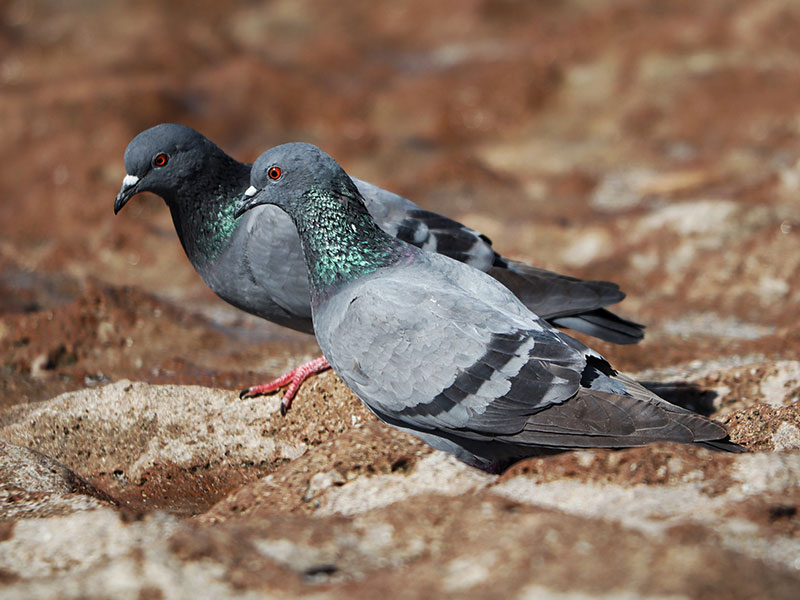
Unlike insect or rodent pests, bird control is less about a fast-multiplying life cycle and more about persistent nesting and roosting behaviour. Once a bird identifies a reliable site — typically one offering shelter, height and proximity to a food source — it will often return to the same location repeatedly, and may be joined by others over time. This is why a single untreated roosting spot can develop into a recurring, larger-scale problem, particularly during peak breeding periods.
Because bird control is a less routine request, many property owners aren’t sure where to start when the problem does arise — here’s what’s worth knowing:
01
Secure food waste and bins, as exposed food sources are a major draw for crows in particular
02
Avoid feeding pigeons or other birds around the property, even unintentionally
03
Install netting or spikes on vulnerable ledges, awnings and equipment areas before roosting becomes established
04
Inspect rooftop and air-conditioning areas periodically for early signs of nesting activity
05
Trim trees near the property that may offer attractive nesting sites, where appropriate
Our range of bird control solutions are customised with highest grade premium products, 100% effective and 10-Year Warranty against material defects and workmanship.
Pest React provides only the best in terms of service quality so as to ensure positive outcomes for each bird control task. Every aspect of our treatment is crucial and rest assured that we will handle in the most appropriate way

Our team of experienced Bird Control specialist has done more than 100 sites.

We are committed to provide efficient services with the highest level of safety and health standards to ensure any works carried out safely without disruption


While less common than other pest issues, bird activity can escalate quickly once a roosting site is established. Our team can assess your property and recommend the right deterrent solution — before the problem grows. Contact us for a site assessment.
Everything you need to know about common pests, prevention methods, treatment options and effective pest management.
Bird control involves managing and preventing pest bird activity — primarily from house crows and feral pigeons in Malaysia — through methods such as netting, spikes and site modifications that discourage roosting and nesting.
Properties with accessible rooftop areas, outdoor dining spaces, signage, or food waste storage are more prone to pest bird activity — commonly commercial buildings, F&B outlets, warehouses and residential high-rises.
Ideally before a roosting pattern becomes established — early signs such as birds regularly perching in the same spot are easier to address than an active nest with eggs or chicks, particularly approaching peak breeding season.
Rooftop ledges, air-conditioning compressor units, signage, gutters, and covered awnings are common sites, as they offer shelter and height away from ground-level disturbance.
Treatment typically starts with a site assessment to identify roosting patterns and contributing factors, followed by exclusion measures such as netting or spikes at the affected areas, and cleanup of any accumulated droppings or nesting material.
Concerned about termite activity? Contact Pest React for a professional inspection.