NCSA stands for Nano Colloidal Silver-Airmist — a disinfection method that combines two things: a nano colloidal silver solution, and a misting technology called ULV (Ultra-Low Volume) cold misting. In simple terms, it’s a way of disinfecting indoor spaces by turning a silver-based antimicrobial solution into an extremely fine mist that settles evenly across a room — including surfaces that are hard to reach by hand.
To understand why this combination works, it helps to understand each part on its own.
Silver has been used for its antimicrobial properties for over a hundred years, long before modern chemical disinfectants existed. “Colloidal silver” refers to extremely tiny particles of silver suspended in liquid — small enough that they stay evenly dispersed rather than settling or dissolving.
At the nano scale, these silver particles have a very large surface area relative to their size. This allows them to steadily release silver ions (Ag⁺) when they come into contact with moisture or air. These silver ions are what actually do the antimicrobial work — they interact with the proteins and cell structures of bacteria and other microorganisms, disrupting the processes they need to survive. This is a well-documented biological effect, sometimes referred to as the “oligodynamic effect” of silver, and is the same basic principle behind silver’s long-standing use in wound care and water purification.
In short: it’s not a harsh chemical reaction — it’s a naturally antimicrobial metal, broken down into a form fine enough to be applied as a fine mist.
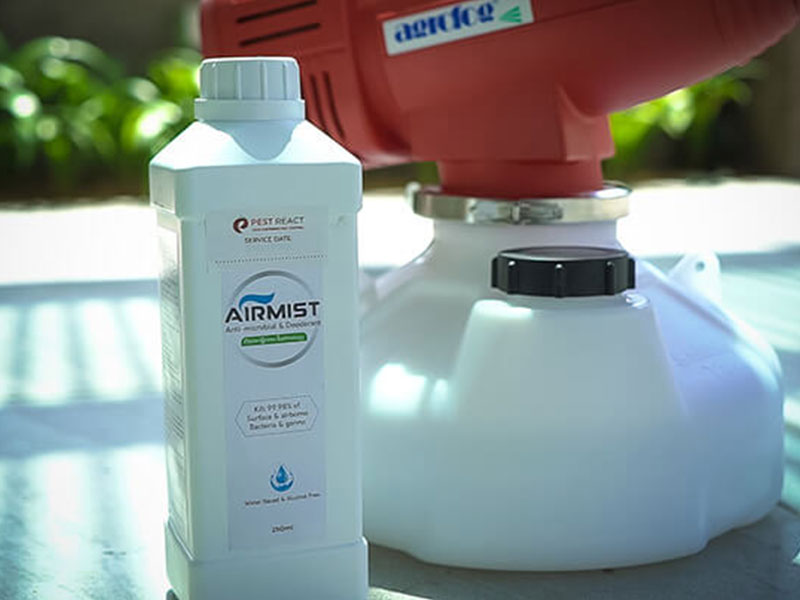
NCSA Disinfectant Misting applies a nano colloidal silver solution using ULV cold misting equipment. The result is a fine, even layer of antimicrobial solution across a treated space — reaching surfaces like wall crevices, furniture joints, equipment housings and fabric surfaces that routine wipe-down cleaning often misses — without leaving the space wet or requiring rinsing afterward.
It’s best understood as a supplementary disinfection step, not a replacement for regular cleaning — it’s designed to reach and treat the gaps that manual cleaning typically can’t.
The treatment is designed to help reduce bacteria, germs and other microorganisms present on treated surfaces, contributing to a cleaner overall indoor environment. As with any surface disinfection method, effectiveness depends on factors such as surface type, application coverage and environmental conditions — which is why proper application by trained technicians, following the correct SOP, matters.
The formulation is water-based and alcohol-free, which means it doesn’t carry the fumes, flammability risk, or surface-damaging potential associated with alcohol-based or harsh chemical disinfectants. It’s also non-corrosive and non-caustic, making it suitable for repeated use across a wide range of surfaces — including fabrics, carpets and metals — without degrading them over time.
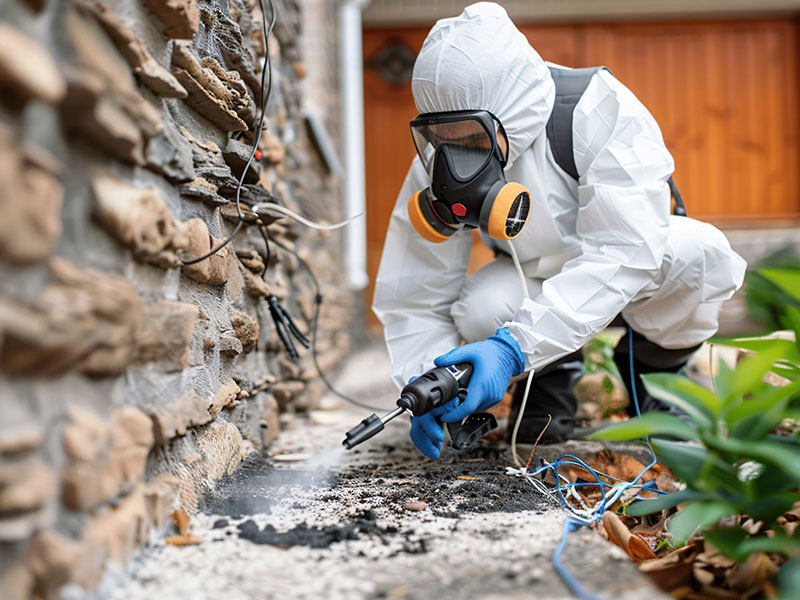
Application is carried out by trained technicians using appropriate PPE, following standard operating procedures, and a service report is provided after each treatment for your records.
ULV cold misting uses specialised equipment to disperse extremely fine droplets that remain suspended in the air before settling. The term “ultra-low volume” refers to the small amount of liquid used to cover a large area efficiently. This matters for two reasons:

Because the mist behaves more like a fine aerosol than a direct spray, it settles evenly across surfaces, including vertical surfaces, undersides, and crevices that a hand-held spray or wipe-down would likely miss.

Because so little liquid is used per square metre, surfaces are left only lightly dampened rather than wet, and the solution dries quickly without pooling or leaving residue.

Because the mist behaves more like a fine aerosol than a direct spray, it settles evenly across surfaces, including vertical surfaces, undersides, and crevices that a hand-held spray or wipe-down would likely miss.
01
Inspect secondhand furniture, luggage and clothing after travel before bringing them indoors
02
Vacuum mattresses, carpets and soft furnishings regularly, paying attention to seams and crevices
03
Treat pets regularly for fleas and ticks, and check them after outdoor activity
04
Wash pet bedding frequently in hot water
05
For businesses, implement routine inspection schedules rather than waiting for guest or customer complaints

Don’t wait for the problem to spread. Our team provides thorough inspection and targeted treatment for bed bugs, fleas and ticks — for homes, hotels, pet-related businesses and shared accommodation. Contact us for an assessment.
Not quite. Both disperse a solution into the air, but ULV cold misting produces much finer droplets at a much lower volume, resulting in a light, even coating rather than a heavy mist — and it’s applied without heat, unlike thermal fogging.
This depends on the specific protocol followed by the technician team, who will advise on-site based on the treatment area and application method.
As the formulation is water-based and alcohol-free, it’s designed to leave minimal odour and dry without leaving a sticky or visible residue on most surfaces.
This depends on factors such as foot traffic, surface contact and how quickly a space becomes re-contaminated through normal use — which is why NCSA Misting is often used as part of a routine hygiene schedule rather than a one-time treatment.
No. It’s designed to complement regular cleaning by reaching areas that routine wiping often misses, not to replace basic hygiene practices like surface wiping and waste disposal.
Concerned about termite activity? Contact Pest React for a professional inspection.