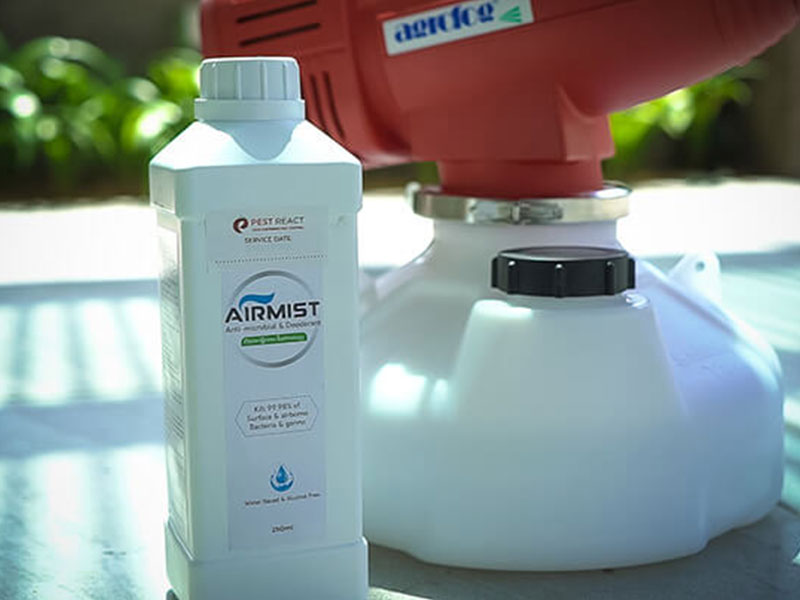
NCSA stands for Nano Colloidal Silver-Airmist — a disinfection method that combines two things: a nano colloidal silver solution, and a misting technology called ULV (Ultra-Low Volume) cold misting. In simple terms, it’s a way of disinfecting indoor spaces by turning a silver-based antimicrobial solution into an extremely fine mist that settles evenly across a room — including surfaces that are hard to reach by hand.
To understand why this combination works, it helps to understand each part on its own.
Silver has been used for its antimicrobial properties for over a hundred years, long before modern chemical disinfectants existed. “Colloidal silver” refers to extremely tiny particles of silver suspended in liquid — small enough that they stay evenly dispersed rather than settling or dissolving.
At the nano scale, these silver particles have a very large surface area relative to their size. This allows them to steadily release silver ions (Ag⁺) when they come into contact with moisture or air. These silver ions are what actually do the antimicrobial work — they interact with the proteins and cell structures of bacteria and other microorganisms, disrupting the processes they need to survive. This is a well-documented biological effect, sometimes referred to as the “oligodynamic effect” of silver, and is the same basic principle behind silver’s long-standing use in wound care and water purification.
In short: it’s not a harsh chemical reaction — it’s a naturally antimicrobial metal, broken down into a form fine enough to be applied as a fine mist.
NCSA Disinfectant Misting applies a nano colloidal silver solution using ULV cold misting equipment. The result is a fine, even layer of antimicrobial solution across a treated space — reaching surfaces like wall crevices, furniture joints, equipment housings and fabric surfaces that routine wipe-down cleaning often misses — without leaving the space wet or requiring rinsing afterward.
It’s best understood as a supplementary disinfection step, not a replacement for regular cleaning — it’s designed to reach and treat the gaps that manual cleaning typically can’t.
The treatment is designed to help reduce bacteria, germs and other microorganisms present on treated surfaces, contributing to a cleaner overall indoor environment. As with any surface disinfection method, effectiveness depends on factors such as surface type, application coverage and environmental conditions — which is why proper application by trained technicians, following the correct SOP, matters.
The formulation is water-based and alcohol-free, which means it doesn’t carry the fumes, flammability risk, or surface-damaging potential associated with alcohol-based or harsh chemical disinfectants. It’s also non-corrosive and non-caustic, making it suitable for repeated use across a wide range of surfaces — including fabrics, carpets and metals — without degrading them over time.
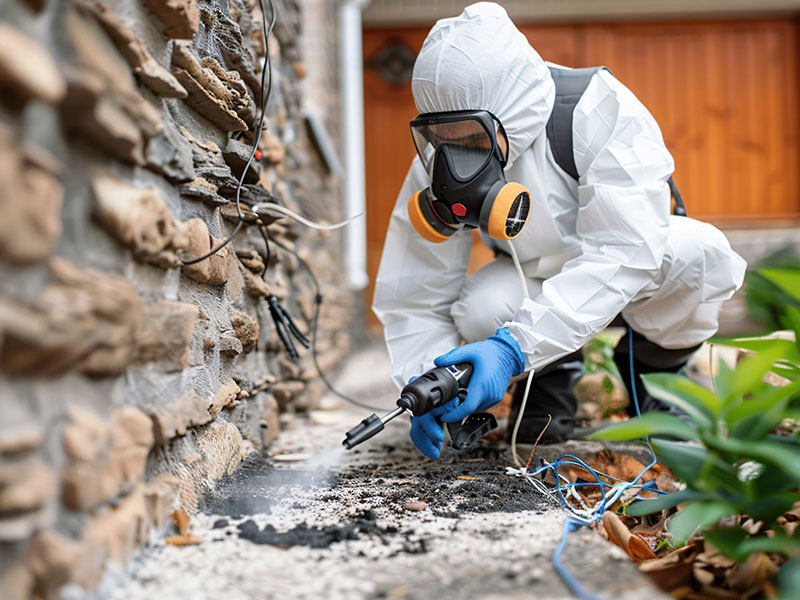
Application is carried out by trained technicians using appropriate PPE, following standard operating procedures, and a service report is provided after each treatment for your records.
ULV cold misting uses specialised equipment to disperse extremely fine droplets that remain suspended in the air before settling. The term “ultra-low volume” refers to the small amount of liquid used to cover a large area efficiently. This matters for two reasons:

Because the mist behaves more like a fine aerosol than a direct spray, it settles evenly across surfaces, including vertical surfaces, undersides, and crevices that a hand-held spray or wipe-down would likely miss.

Because so little liquid is used per square metre, surfaces are left only lightly dampened rather than wet, and the solution dries quickly without pooling or leaving residue.

Because the mist behaves more like a fine aerosol than a direct spray, it settles evenly across surfaces, including vertical surfaces, undersides, and crevices that a hand-held spray or wipe-down would likely miss.
Stored product insects develop through egg, larva, pupa and adult stages, and in many species — such as the rice weevil — the egg and larval stages develop inside the grain or product itself, completely hidden from view and unreachable by surface-level treatment. A spray or residual treatment may kill visible adult insects, but eggs and larvae protected within the product can simply continue developing and re-emerge afterward.
This is precisely why fumigation is used for severe or deeply-embedded infestations: as a gas, the fumigant penetrates into the product itself — not just the surface — reaching insects at every stage of development, including those hidden inside individual grain kernels or deep within packaged goods. For treatment to be effective, a sufficiently high gas concentration must be maintained for a sufficient length of time (referred to as the concentration × time, or “Ct”, product) to achieve a high mortality rate across all life stages — not just the most visible one.
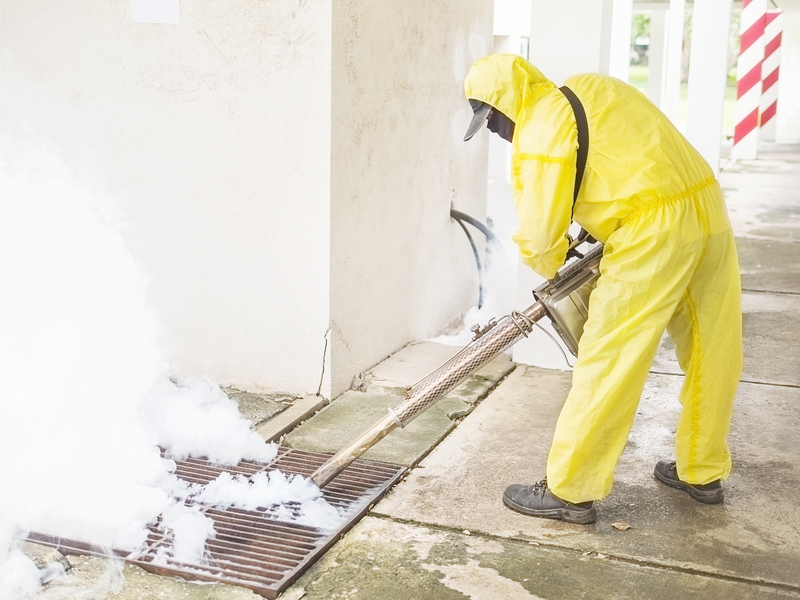
Fumigation is a precise process — effectiveness depends on maintaining the right gas concentration for the right amount of time (the Ct product), at a suitable temperature, within a properly sealed space. If any of these factors fall short — particularly inadequate sealing — the treatment may not achieve the mortality rate needed to fully control an infestation.
This matters beyond a single failed treatment: incomplete fumigation, especially from poor sealing practices, is a recognised contributing factor to phosphine resistance in stored product insect populations globally — meaning insects that survive a weak or incomplete treatment can pass on reduced sensitivity to future fumigation. This is one of the key reasons fumigation should only be carried out by trained, accredited professionals following proper sealing, dosage and exposure procedures — such as those required under the Malaysia Fumigation Accreditation Scheme (MAFAS) — rather than attempted as a DIY or improperly supervised treatment.
Depending on the commodity, structure and site conditions, fumigation can be carried out using different application methods:

Commodities, stacks or piles are covered with a gas-proof tarpaulin, which is sealed at the base to contain the fumigant. This method is commonly used for bagged or palletised goods where enclosing the entire structure isn't practical.

The entire airspace within a building or facility is treated by sealing the structure itself — doors, windows, vents and other openings — to contain the fumigant throughout the space. This is typically used when infestation is widespread across a facility rather than isolated to specific stock.

Shipping containers are sealed and treated as an enclosed unit, commonly used for import/export cargo, particularly where quarantine or pre-shipment (QPS) treatment is required before goods cross borders.

Commodities are treated within a dedicated, purpose-built airtight chamber, which allows for a highly controlled environment and, in some cases, more efficient fumigant penetration compared to on-site tenting.
The appropriate method depends on the commodity type, treatment volume, site layout and whether the goods are for storage, processing or export.
Not quite. Both disperse a solution into the air, but ULV cold misting produces much finer droplets at a much lower volume, resulting in a light, even coating rather than a heavy mist — and it’s applied without heat, unlike thermal fogging.
This depends on the specific protocol followed by the technician team, who will advise on-site based on the treatment area and application method.
As the formulation is water-based and alcohol-free, it’s designed to leave minimal odour and dry without leaving a sticky or visible residue on most surfaces.
This depends on factors such as foot traffic, surface contact and how quickly a space becomes re-contaminated through normal use — which is why NCSA Misting is often used as part of a routine hygiene schedule rather than a one-time treatment.
No. It’s designed to complement regular cleaning by reaching areas that routine wiping often misses, not to replace basic hygiene practices like surface wiping and waste disposal.
Concerned about termite activity? Contact Pest React for a professional inspection.