
Termites are social insects that live in colonies made up of different castes, including the queen, king, soldiers, workers, alates and immature termites. Each caste has a specific role in maintaining and developing the colony. Workers forage for food, construct and maintain the nest, while soldiers protect the colony. Alates leave the colony during swarming to mate and establish new colonies.
Termites can enter buildings through cracks, crevices and service pathways such as piping and electrical systems. They feed on cellulose-based materials, including wood, books, photographs and documents, potentially causing significant structural and property damage.
Early detection and effective termite management are essential to minimise damage and costly repairs.
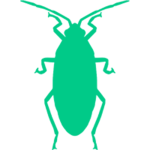
Three common cockroach species found in Malaysia are the American, German and Brown-banded cockroaches. American cockroaches are commonly found in drainage systems, sewage areas and floor traps. German cockroaches are frequently associated with food and beverage premises, hotels and other areas where food is readily available. Brown-banded cockroaches can be found in a variety of indoor environments, including areas with warmth and shelter.
Cockroaches undergo three main stages in their life cycle: egg (ootheca), nymph and adult. They can survive for extended periods with limited food as long as a water source is available, allowing infestations to persist and spread.
Cockroaches can carry and spread bacteria and other disease-causing microorganisms, potentially contaminating food and surfaces and contributing to foodborne illnesses. Their saliva, droppings and shed body parts may also contain allergens that can trigger allergic reactions and respiratory symptoms such as sneezing, skin irritation and watery eyes.

Two common rat species found in Malaysia are the Norway Rat and Roof Rat. Rats are highly adaptable and can thrive in a wide range of environments where food, water and shelter are available. They are also known for their frequent grooming behaviour, which can leave greasy smear marks along walls, pipes and other surfaces they regularly travel across. Their droppings are another common sign of infestation and can help indicate the presence and activity level of a rat population.
Rats can contaminate food, surfaces and surroundings through their urine, droppings and contact with contaminated materials. They can also transmit diseases such as leptospirosis, which is caused by bacteria of the Leptospira genus. In addition, rats may cause property damage by gnawing on electrical wiring, building materials and other items.
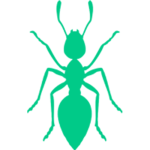
There are thousands of known ant species worldwide, although only a small proportion are considered pests in human environments. Ants are easily identified by their elbowed antennae and distinctive segmented body structure. They commonly enter buildings and indoor spaces in search of food, water and suitable nesting sites.
Certain ant species, such as carpenter ants, can damage wooden structures by excavating galleries within wood to establish their nests. Ant infestations can also lead to food contamination and, in some cases, damage to electrical wiring. Certain species, such as Pharaoh ants, may also bite and cause skin irritation, itching or swelling.
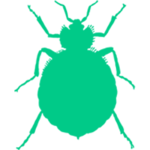
Bed bugs are primarily active at night and typically hide in cracks, crevices, mattresses and other sheltered areas during the day. They feed mainly on blood and are attracted to humans while they sleep. Due to their small size and ability to hide in concealed areas, infestations can be difficult to detect in their early stages.
Bed bug bites may cause itching, skin irritation, inflammation and allergic reactions in some individuals. Their presence can also disrupt sleep and cause significant discomfort. Common signs of an infestation include blood stains, faecal spots, eggs or egg cases, shed skins and, in heavier infestations, a distinct unpleasant odour.
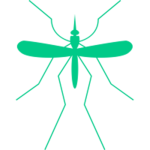
Mosquitoes are commonly found in tropical environments, with species such as Aedes, Culex and Anopheles present in Malaysia. Only female mosquitoes feed on blood, which they require to develop their eggs, while males feed primarily on plant nectar. Mosquitoes undergo four stages in their life cycle: egg, larva, pupa and adult. Aedes mosquitoes commonly breed in stagnant water, including small water-holding containers around residential and commercial premises.
Mosquitoes can transmit several diseases, including dengue, Zika and chikungunya. In Malaysia, Aedes mosquitoes are a major concern due to their role in transmitting dengue, which can lead to severe illness and, in serious cases, death. Effective mosquito control requires both adult mosquito management and the elimination of potential breeding sites.

Common fly species include the housefly, fruit fly, green bottle fly and blue bottle fly. Flies are easily recognised by their large compound eyes, which provide a broad field of vision. Houseflies have specialised mouthparts that allow them to feed on liquid or liquefied food, as they cannot bite or chew solid food.
Flies can carry and transfer bacteria, viruses and other disease-causing microorganisms onto food, surfaces and utensils. This can contribute to food contamination and the spread of foodborne illnesses, including salmonellosis and other gastrointestinal infections. Effective fly control is particularly important in food handling, hospitality and commercial premises.

Birds often seek sheltered, elevated areas to build nests and protect themselves and their young from weather and predators. In urban environments, they may roost or nest around buildings, including roof spaces, awnings, ledges, balconies and other sheltered areas.
Bird droppings can harbour bacteria, fungi and other microorganisms that may pose health and hygiene risks. Species commonly associated with urban environments, such as pigeons, starlings and house sparrows, can contribute to the spread of microorganisms including Escherichia coli (E. coli), Salmonella and fungi associated with diseases such as histoplasmosis and cryptococcosis.
Accumulated droppings can contaminate food, water and food preparation surfaces, particularly in restaurants, commercial premises and food processing facilities. Bird nesting and roosting can also result in property damage, unpleasant odours and hygiene concerns.
Concerned about termite activity? Contact Pest React for a professional inspection.