Rodents are among the most common and most costly pests affecting homes and businesses across Malaysia. Beyond the nuisance of their presence, rodents pose genuine risks to health, structural integrity and, for businesses, regulatory compliance. Effective rodent control starts with understanding their behaviour: how they enter a property, how quickly they reproduce, and the conditions that allow an infestation to take hold.
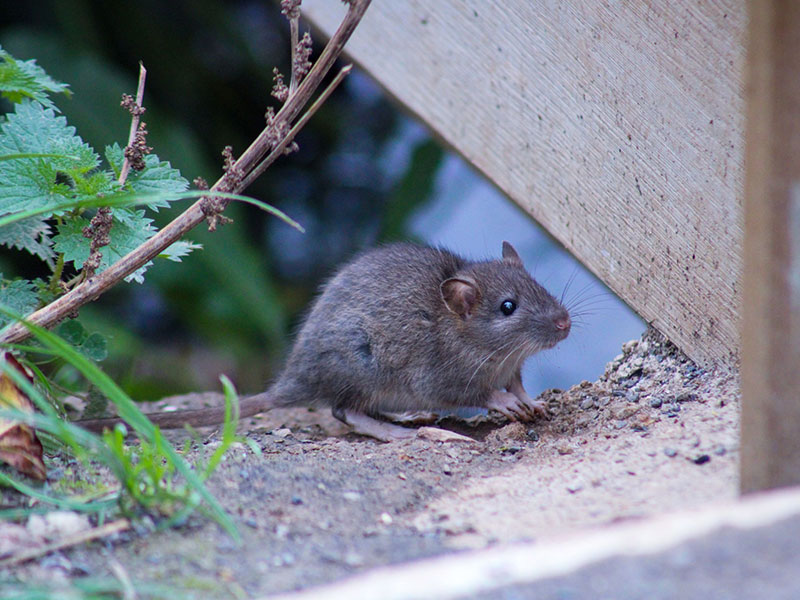
Two species account for the vast majority of rodent activity in Malaysian homes and businesses:
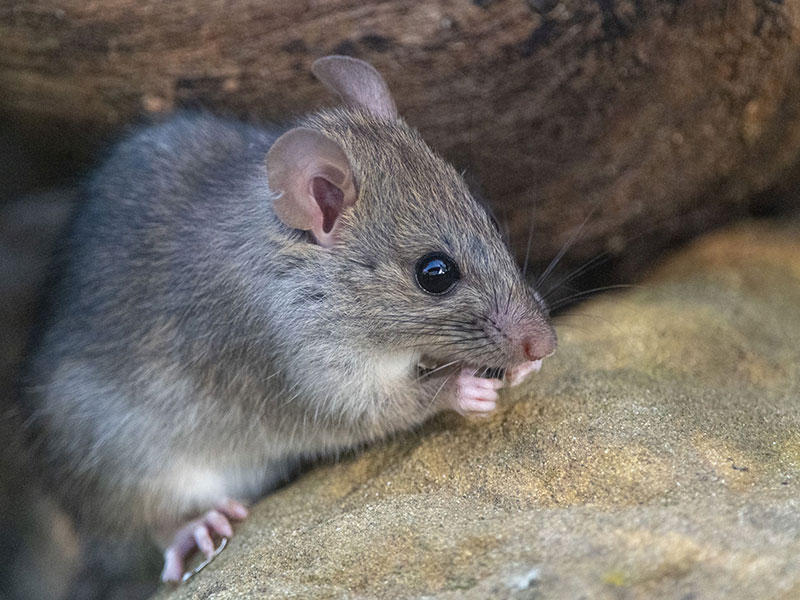
The more dominant species in urban Malaysian settings, accounting for the majority of rats trapped in city studies. Slender-bodied with a pointed nose, large ears, and a tail longer than its body. Black rats are excellent climbers, often nesting in roof spaces, ceilings and upper floors of buildings.
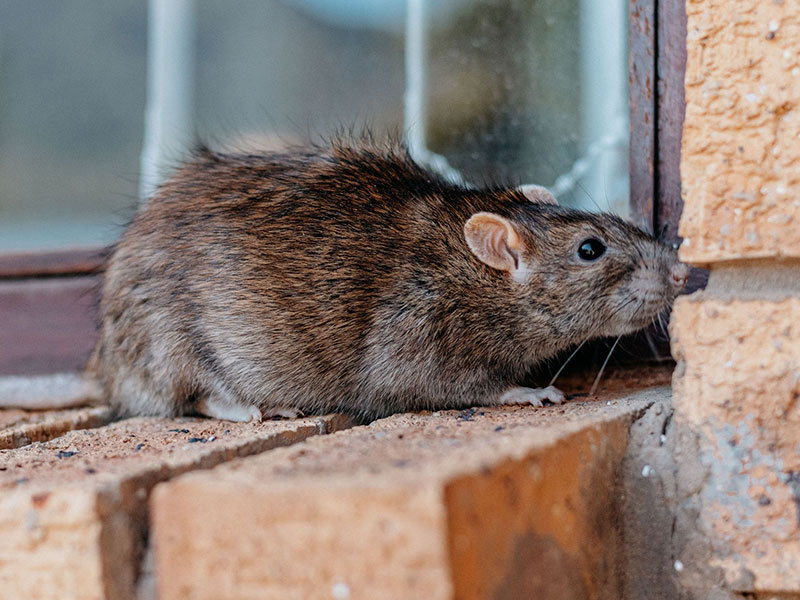
A larger, heavier-bodied species with a blunt nose and a tail shorter than its body. Norway rats are strong burrowers and swimmers, typically found at ground level, in drains, sewers and around building foundations.
A third species, Rattus exulans (Polynesian rat), is also occasionally recorded in Malaysian urban areas, though in smaller numbers compared to the two species above.
One of the key reasons rodent infestations escalate quickly is their reproductive rate:
Because of this reproductive rate, a small, unnoticed rat presence can develop into a significant infestation within a matter of months — which is why early detection and intervention are important rather than waiting until activity becomes obvious.
Rodents are capable of exploiting surprisingly small openings — a Norway rat can squeeze through a gap as small as a 20 sen coin, while a black rat can fit through even smaller openings due to its slender build. Common entry points and contributing factors include:
Rats also have a constant physiological need to gnaw, as their incisors grow continuously throughout their life. This instinct leads them to chew through a wide range of materials — including wiring, pipwork, packaging and structural elements — which is a significant contributing factor to both property damage and fire risk in affected buildings.
For commercial premises — particularly F&B outlets, food manufacturing facilities and warehouses — rodent activity carries risks beyond general nuisance:
01
Seal gaps, cracks and openings around the building exterior, including utility entry points
02
Store food and waste in sealed, rodent-proof containers, and dispose of waste regularly
03
Keep storage areas organised and off the floor where possible, to reduce nesting opportunities
04
Trim vegetation and remove clutter near building exteriors
05
Fix leaking pipes and address sources of standing water
06
Conduct regular inspections and use monitoring stations to detect activity early, particularly for commercial premises

Rodent activity rarely stays contained for long. Our team provides inspection, treatment and ongoing monitoring solutions tailored to your property — whether it’s a home, office, F&B outlet or industrial facility. Contact us for a professional site assessment.
Everything you need to know about common pests, prevention methods, treatment options and effective pest management.
Rodent control involves identifying, managing and preventing rat activity within a property, using methods such as baiting, glue boards, monitoring stations and exclusion (sealing entry points) suited to the level of activity and site conditions.
Any residential or commercial property can be at risk, though F&B outlets, food storage facilities, warehouses and older buildings with accessible entry points are generally at higher risk and may require more frequent monitoring.
Ideally before activity becomes established — regular monitoring and inspection catch early signs before populations grow. Given their rapid breeding rate, delaying action even by a few months can allow a small presence to develop into a significant infestation.
Black rats tend to nest in elevated areas such as roof spaces and ceilings, while Norway rats favour ground-level areas such as drains, burrows and building foundations. Both species typically travel along consistent routes — close to walls, pipework and other structural features — rather than through open spaces.
Treatment typically involves a combination of baiting, trapping (such as glue boards) and monitoring stations, alongside identifying and sealing entry points to prevent new rodents from re-entering. The specific approach depends on the level of activity, site layout and the premises type.
Concerned about termite activity? Contact Pest React for a professional inspection.